
Loading...
Loading...
When HbA1c may matter in fatigue and unstable energy – and why a metabolic marker does not explain every exhaustion pattern.
Short answer
HbA1c can matter in fatigue when glucose regulation or metabolic strain may be part of the pattern.
A single HbA1c value, however, does not automatically explain brain fog, PEM, or clearly reduced capacity.
If complaints persist despite metabolic context or worsen after activity, interpretation usually needs to widen.
HbA1c often comes up in fatigue when the real question concerns glucose regulation, metabolic strain, or unstable energy. The marker can help, but it is rarely the complete answer in chronic exhaustion.
Key points
HbA1c is a metabolic clue, not a full fatigue model.
Metabolic context can matter without explaining the whole complaint pattern.
Course, symptom timing, and day-to-day function remain central.
Pacing or ME/CFS context often becomes more relevant in unstable capacity.
Author
Frederik Marquart
Founder & CEO, Elara Health
Review
Elara Health Medical & Research Review
Scientific and patient-centered quality review
Last updated
April 16, 2026
HbA1c is often searched when energy fluctuates strongly, there is uncertainty around blood sugar regulation, or the underlying question is about metabolism.
That gives the marker a clear metabolic anchor in an otherwise blurry exhaustion pattern.
HbA1c can help identify a metabolic layer in the symptom picture and sharpen the related questions.
Still, the value does not automatically describe how strongly exertion limits daily life or why symptoms worsen later after activity.
useful in energy and metabolism questions
not identical to the full exhaustion pattern
needs symptom and course context
If recovery remains poor, brain fog dominates, or activity leads to disproportionate worsening, metabolic logic often stops being enough.
At that point, pacing-, PEM-, or ME/CFS-related questions usually become more informative than hoping for one metabolic explanation.
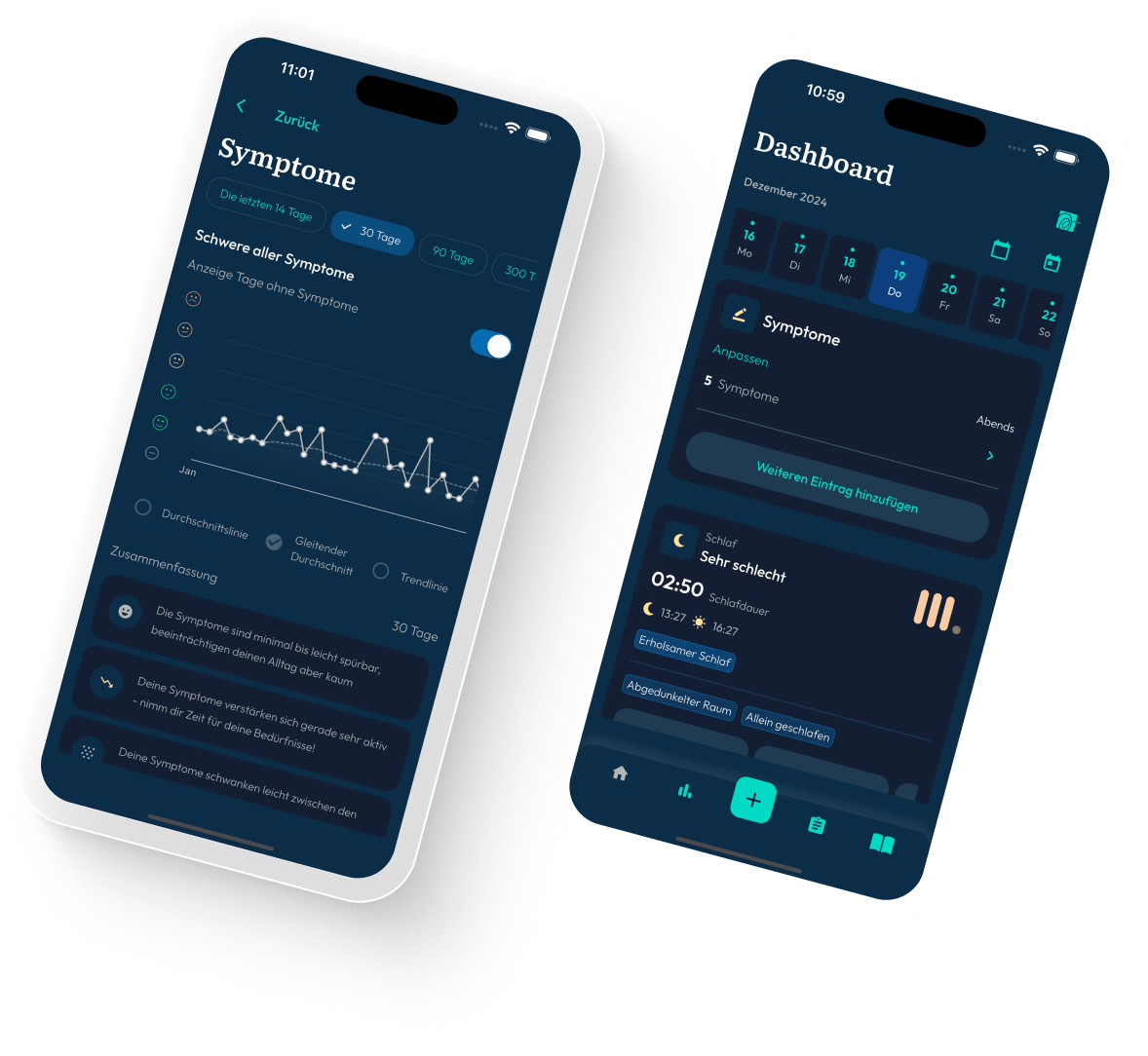
Document symptoms, energy, and possible triggers and see connections develop over time.
Not automatically. HbA1c can provide metabolic context, but it usually does not fully explain complex, exertion-related, or multisystem complaints.
Because people often want to know whether glucose regulation or metabolic strain is part of the pattern when energy drops feel unstable.
Then interpretation usually needs to widen toward other markers, symptom course, pacing, PEM, or broader ME/CFS context.
Every article is editorially reviewed, framed with medical context, and backed by primary sources you can verify.
Reviewed content with 3 sources
Educational context – not a substitute for medical diagnosis
Links to related knowledge, questionnaires, and methodology
When lab values alone do not explain the picture, structured symptom capture often adds the missing context.
Useful when fatigue, PEM, sleep problems, and cognitive symptoms appear together.
Helpful when fatigue is paired with widespread pain, poor sleep, and symptom severity patterns.
See all available assessments if the symptom picture is still unclear.