
Loading...
Loading...
Pacing in ME/CFS and PEM: how to start, which mistakes are common, how tracking supports it – and why pacing is more than simple rest.
Short answer
Pacing means adjusting activity to actual available capacity rather than external expectations.
The goal is not maximum avoidance, but more stability, fewer setbacks, and a better understanding of personal limits.
The clearer exertion, recovery, and warning patterns are documented, the more useful pacing becomes.
Pacing is one of the most practical levers for making daily life more stable with ME/CFS or Long COVID. The key is to treat it as adaptive load management rather than a rigid set of rules.
Key points
Pacing is especially relevant when PEM makes the cost of activity visible only later.
Pacing is not passivity; it is an active regulation strategy.
Both over-ambition and overly rigid rules can become problems.
Tracking, routines, and buffer time often make pacing much more practical.
Author
Frederik Marquart
Founder & CEO, Elara Health
Review
Elara Health Medical & Research Review
Scientific and patient-centered quality review
Last updated
April 15, 2026
Pacing is not about avoiding everything. It means matching activity to actual available capacity rather than to external expectations. The goal is more stability, fewer setbacks, and a better sense of personal limits.
Especially with PEM, where exertion only becomes visible hours or days later, this kind of self-regulation matters. Pacing does not replace medical care, but it is one of the few tools many affected people can apply themselves day to day.
For pacing to work, exertion, recovery, and warning patterns need to be tracked clearly – without the tracking itself becoming a burden. Routines, realistic buffer time, and structured documentation are the most important levers.
Common pitfalls: too much ambition on good days, rigid rules that block daily life, or relying on a single wearable metric without symptom context. Pacing becomes effective when it stays adjustable to the individual.
Align with personal capacity, not external expectations
Plan recovery actively, not only after a crash
Take early signs seriously
Use tracking as a tool, not as an end in itself
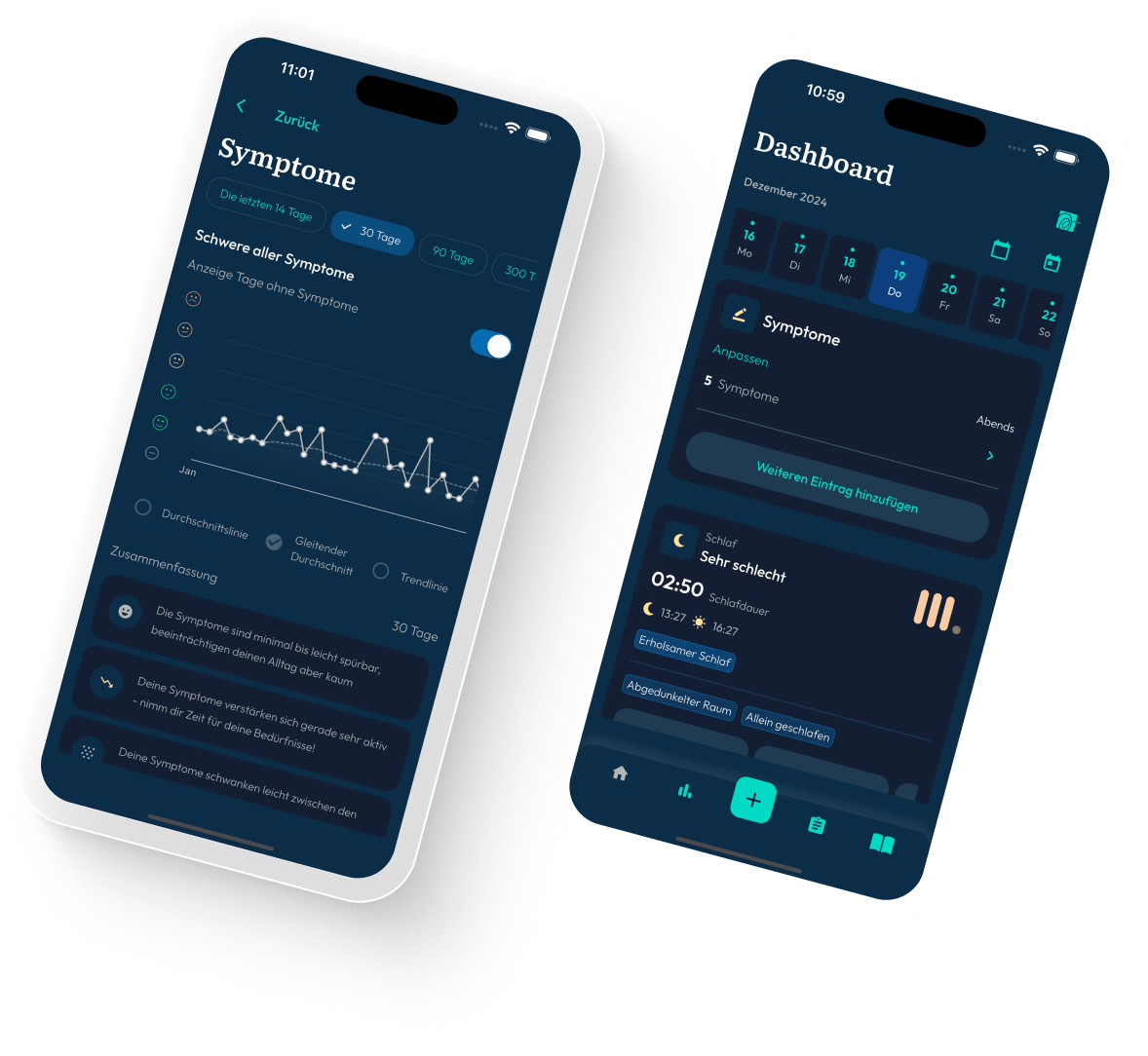
Capture exertion, recovery, and warning signs in a pacing diary – and steer daily life with data.
No. Pacing is not simply about avoiding everything. It is about balancing activity, recovery, and buffer time so that daily life becomes more stable.
No. Even in milder or fluctuating cases, pacing can help reveal overload patterns earlier and reduce setbacks.
No. Wearables can help, but careful self-tracking and clear day-to-day rules are often already a strong starting point.
Every article is editorially reviewed, framed with medical context, and backed by primary sources you can verify.
Reviewed content with 3 sources
Educational context – not a substitute for medical diagnosis
Links to related knowledge, questionnaires, and methodology
PEM and pacing become more actionable when symptom burden and function are captured in a structured way.
Useful when delayed worsening after activity raises the question of ME/CFS-oriented symptom structure.
Best when daily limitation, recovery instability, and functional burden should be documented.
Compare all available assessments and choose the one that matches the real question.
Why pacing matters especially in the context of PEM.
Practical first steps for planning, buffer time, and limits.
Which patterns often undermine stability again.
Which data really helps and how to spot patterns without creating overload.
How heart-rate data can become useful without taking over daily life.
Why pacing makes more sense when PEM and exertion response are understood first.